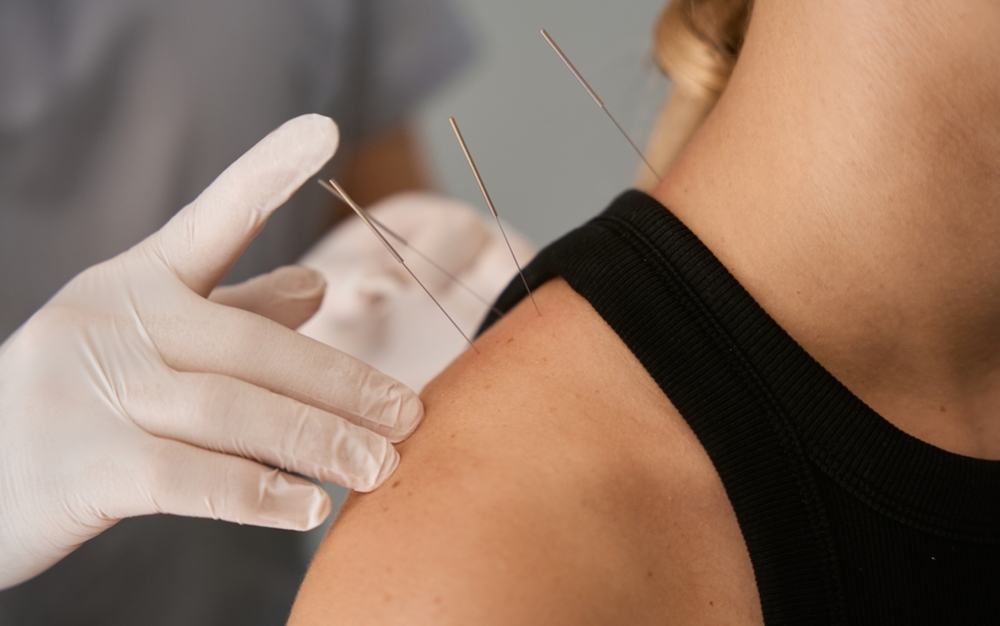
A warm welcome to our practice for multimodal pain management

Our mission is to provide fast and lasting pain relief using the gentlest, evidence-based methods possible. This includes a systematic analysis of the underlying causes, involving a comprehensive physical examination, functional tests, and targeted laboratory evaluations. Posture, gait, occupational stressors, and psychosocial factors are all taken into account in the diagnostic process.

We take a multimodal and individualized approach. Common components include osteopathy, neuro-acupuncture using needles or lasers, and, in select cases, bioidentical hormone therapy. Hormone therapy is used only when the patient’s medical history, clinical findings, and lab results suggest that hormones play a significant role in the pain. Pain relievers may be prescribed as a supplement, but they are rarely used as the sole form of treatment.

Our practice treats patients with private insurance and those paying out of pocket. For patients with public insurance, we can provide the necessary documentation upon request for potential reimbursement of osteopathic treatment costs. You do not need a referral for treatment. Appointments can be scheduled by phone or online.

Schedule an initial consultation to assess your symptoms. We’ll discuss your test results, possible diagnostic tests, and a personalized treatment plan.

Practice Address

Pain Management Clinic,

Peter Leithoff, M.D.


2 Haifa Avenue, Building C.

55128 Mainz-Bretzenheim  


Across from the Gutenberg Center.

Entrance right behind McDonald's


Private parking spaces

Air-Conditioned Rooms 

1st floor (no elevator)


Do you have any questions?

Please contact us using the contact form or by email, or simply give us a call: 

Tel. 06131 1438333


Email: praxis@schmerzbehandlung-leithoff.de


Fax: 06131 9206483

Phone Hours

Mon / Wed / Thu: 8:00 a.m. – 1:00 p.m. & 2:00 p.m. – 5:30 p.m.

Tue: 8:00 a.m. – 12:00 p.m. 

Closed on Fridays


Regular treatment hours: Mon/ Wed / Thu: 8:00 a.m. – 1:00 p.m. & 2:00 p.m. – 5:30 p.m.                          

Individual treatment appointments outside of regular office hours

To a limited extent, treatment appointments may occasionally be scheduled outside our regular office hours. This is particularly an option

  • in cases of acute or worsening symptoms, when treatment cannot wait until the next regular office hours,
  • if, for personal reasons, you place particular importance on discretion and would like an appointment without coming into contact with other patients.

Please describe your request and your preferred time slots using our contact form or by email. You will then receive an email letting you know whether we can arrange a personalized appointment.

These appointments cannot be booked directly. You are not entitled to an appointment outside of regular office hours; an appointment is not confirmed until our practice has expressly confirmed it.


Billing is based on the Schedule of Fees for Physicians (GOÄ). Appointments take place exclusively at the office; house calls and emergency care are not available.

In case of a medical emergency, please dial112. Outside of regular office hours, you can reach the on-call medical service by dialing116117.


Conditions We Treat

Pain and Functional Disorders

  • Joint and Spinal Problems
  • Osteoarthritis Pain and Joint Locking
  • Pain Caused by Intervertebral Discs 
  • Muscle and Tendon Pain
  • Pain in the Feet and Hands

Specific Types of Pain

  • All Types of Headaches and Migraines
  • Fibromyalgia (whole-body pain)
  • Tennis elbow, golfer's elbow
  • Carpal Tunnel Syndrome
  • Pelvic misalignment, pelvic rotation, leg length discrepancy
  • Neuralgia (e.g., trigeminal neuralgia); pinched nerve
  • Pain After the Acute Phase of Shingles
  • Teeth Grinding and Temporomandibular Joint Disorders (TMJ)
  • Scar Tension

Other complaints

  • Dizziness
  • Irritable Stomach, Irritable Bowel Syndrome, Reflux, Irritable Bladder
  • Hormonal symptoms: PMS and menstrual irregularities, mood swings, fatigue, hair loss, excessive sweating, sleep disturbances, decreased libido
  • Psychosomatic symptoms
  • Sleep Disorders and Exhaustion
  • Post-COVID Symptoms

Your symptoms deserve a thorough evaluation

We take the time to listen to your concerns, analyze possible causes, and work with you to develop a personalized treatment plan. Contact us by phone, through the contact form, or book your appointment directly online.

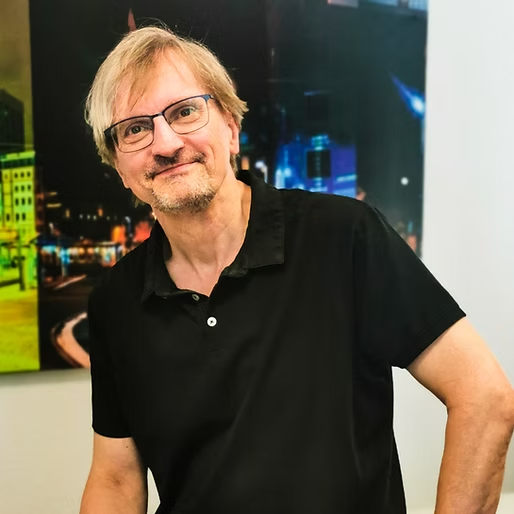
Peter Leithoff, M.D.

Peter Leithoff, M.D.

Dr. Peter Leithoff was born in Stockholm, Sweden, in 1956 and spent his childhood and youth there. After earning a master’s degree in philosophy and the history of science from Uppsala University, he moved to Cologne, where he successfully completed his studies in music at the Cologne University of Music.


His professional career in the medical field began in 1986 when he began studying medicine at the University of Cologne, from which he graduated in 1992 with his medical license and a Ph.D. His dissertation examined whether Thure von Uexküll’s psychosomatic medicine should be regarded as a paradigm shift in the sense described by Thomas Kuhn.

Qualifications and Specializations

Board-Certified Physician in General Medicine

Additional Certifications in Acupuncture, Chiropractic/Manual Medicine, and Psychotherapy

D.O.M. (Diploma in Osteopathic Medicine) from the DGOM

Licensed medical psychotherapist with a depth psychology-based approach

Advanced Training in Solution-Focused Brief Psychotherapy with Steve de Shazer (in the U.S. and Germany)

Continuing Education in Bioidentical Hormone Analysis and Hormone Therapy

Dr. Leithoff has also developed his own acupuncture method—neuro-acupuncture. This systematic technique, which is based on nerve responses, builds on the conventional medical approach to acupuncture developed by Dr. Felix Mann, in whose London practice Dr. Leithoff completed an internship.


Dr. Leithoff lives in Mainz with his wife, Yvonne, and their sons, Valentin and Raphael. He has three children—Julian, Clara, and Leon—from a previous marriage.

Practice staff members

Our dedicated team ensures that everything runs smoothly and is here to provide you with expert and friendly assistance with any questions you may have about your treatment. Whether it’s scheduling, consultation, or practice administration—we’re here for you!

Yvonne Leithoff

Consulting and Organization

Gabi Gruber

Consulting and Practice Management

Renate Werner

Consulting and Practice Management

Our Areas of Focus

At our private medical practice in Mainz, patients are treated particularly often using the following therapeutic approaches:     

Andrew Taylor Still
(1838–1917), USA.
Founder of medical osteopathy.

One of his main concerns was that doctors would improve their manual examination techniques through additional training in osteopathy.


Even today, an American physician can earn the additional degree of D.O. (Doctor of Osteopathy) at osteopathic medical schools.


Dr. Leithoff earned this certification through the DGOM in Germany.


Osteopathic Treatment as a Complement to Conventional Medicine – Identifying Causes and Individualized Therapy

1. What is osteopathy, and does it replace conventional medicine?  

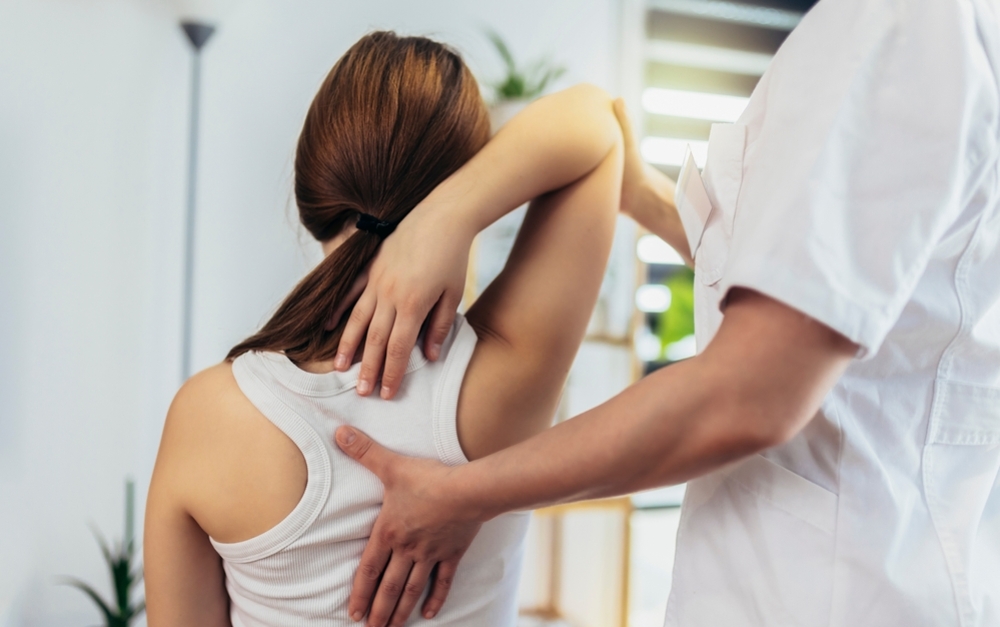
Osteopathy is a manual therapeutic approach to identifying and treating functional disorders. It complements conventional medicine but does not replace it. Dr. Leithoff is a board-certified general practitioner who has worked exclusively as a pain specialist for over 30 years and always combines osteopathy with neuro-acupuncture (using needles or lasers) and frequently with bioidentical hormone therapy as well. As a medical psychotherapist, he understands the significance of psychological stress. This and much more must be taken into account when investigating the underlying causes. 

2. What conditions can osteopathy help with?  

Common indications include back pain, neck/cervical spine problems, sacroiliac joint (SIJ) dysfunction, headaches/migraines, shoulder and joint pain, functional digestive problems, and chronic pain syndromes.

3. What happens during an initial appointment, and how long does it last?  

The first appointment usually lasts 30 to 40 minutes: a detailed medical history, a functional examination, a discussion of the findings and the causes of the pain, followed by the initial treatment steps, which are typically combined with neuro-acupuncture using needles or a laser. 

4. Does the treatment hurt, and are there any side effects?  

The techniques are mostly gentle. Mild soreness, fatigue, or muscle aches may occur temporarily; these usually subside within 24–72 hours. 

5. How many sessions are usually needed?  

It depends on the individual: acute symptoms often require 1–2 sessions, while chronic or complex cases require 2–4 sessions. This above-average pace assumes that the underlying causes have been identified and are treatable. As a rule, treatment involves a combination of different approaches, of which osteopathy is just one.

6. What techniques do you use?  

We use a range of manual techniques: parietal (joints/muscles), visceral (organs), craniosacral, and myofascial techniques, as well as targeted mobilizations and functional tests. Dr. Leithoff has developed his own techniques to resolve disorders of the muscles and other soft tissues by releasing associated bone tension. 

7. Are there any contraindications?  

Yes. Acute infections, recent fractures, and certain unclear neurological or oncological findings are contraindications. A thorough evaluation is conducted before each treatment; if necessary, we refer patients to specialists.

8. Does health insurance cover the costs?

As a private medical practice, we bill according to the GOÄ. Private insurance companies and supplemental insurance plans usually reimburse the costs. Patients with statutory health insurance come to us as self-paying patients and receive a subsidy from most health insurance providers (usually 30 to 60 euros per appointment); we’d be happy to provide you with more information with no obligation. We’ll issue the osteopathy referral required by statutory health insurance providers on your behalf. 

9. How does osteopathy relate to other therapies?  

In this practice, osteopathy is always part of a multimodal approach: neuro-acupuncture, hormone testing, custom orthotics, sleep optimization, and stress reduction (when feasible), as well as medication when necessary, are very often combined with osteopathy. This does not make the treatment more comprehensive; rather, it simplifies and shortens the treatment process.

10. Is osteopathy scientifically proven?  

There are positive studies for certain indications; the evidence varies depending on the symptoms. We take an evidence-based approach, openly explain what to expect, and only begin treatment if a realistic chance of success is likely. Furthermore, there is no such thing as “the one and only osteopathy.” Similarly, the level of medical training among “osteopaths” varies widely.

11. Can I receive treatment while I'm pregnant or as a child?  

Yes, using adapted techniques.

The minimum age for treatment by Dr. Leithoff is 2 years.

12. What osteopathic qualifications does Dr. Leithoff have?

Dr. Leithoff has been treating musculoskeletal pain and general functional disorders using manual techniques for over 30 years. He has earned the additional medical specialty designation in “chirotherapy” as well as the “Diploma in Osteopathic Medicine” (D.O.M.) from the German Society for Osteopathic Medicine (D.G.O.M.). He participates in annual continuing education courses in medical osteopathy. 

Dr. Felix Mann
(1931–2014)

Chinese acupuncture was introduced to Europe by Dr. Felix Mann. However, he soon began to question the existence of acupuncture points and meridians and developed his own, more scientific form of "microacupuncture."


Dr. Leithoff learned this method at Felix Mann's practice in London and used it as the basis for developing his own method: neuro-acupuncture.


Neuro-acupuncture using needles or lasers based on physiological principles

1. What is neuro-acupuncture?  

Neuro-acupuncture is a modern form of acupuncture that uses needles or lasers to deliver targeted nerve stimulation in order to activate the body’s own pain-relief and healing mechanisms. The method is based on anatomy and the physiology of pain.

2. How does this method differ from traditional TCM acupuncture?  

Unlike traditional meridian theory, our method is based on neurophysiological principles, functional disorders, and measurable responses. The selection of points, the intensity of stimulation, and the procedure are scientifically grounded and compatible with conventional medicine.

3. For which conditions is neuro-acupuncture suitable?  

The main indications are acute and chronic pain, muscular functional disorders, neuropathic symptoms, migraines, and limited range of motion. In our practice, treatment is almost always combined with osteopathy and often with other therapeutic measures as well.

4. How does neuro-acupuncture work physiologically?  

Needles or lasers produce a targeted nerve stimulus and a minimal tissue response. The nervous system then initiates defense and repair processes that simultaneously alleviate the original pain.

5. What happens during a treatment session?  

After taking a medical history and conducting a brief examination, thin needles are inserted with pinpoint accuracy or a laser is applied. The needles usually remain in place only briefly; the effect is assessed immediately, allowing multiple areas to be treated in a single session.

6. Does the treatment hurt, and is laser treatment an alternative?  

Laser acupuncture is generally less painful than traditional acupuncture, since fewer and thinner needles are used. Laser acupuncture is painless and a good alternative for those who are afraid of needles.

7. How many sessions are usually needed?  

Many patients feel immediate results; 1–3 sessions are usually sufficient.

The exact number depends on the symptoms and the individual's response.

8. What are the side effects and risks?  

In rare cases, only mild, temporary reactions such as redness, small bruises, or brief fatigue may occur. Serious complications are extremely rare. We use sterile, single-use needles and adhere to strict hygiene standards.

9. Are there any contraindications?  

Caution is advised in cases of severe blood clotting disorders, active infections, certain skin conditions, and, in specific cases, when medical devices have been implanted. Acute emergencies must first be evaluated by a doctor.

10. How do I prepare, and what should I keep in mind after the treatment?  

Please wear comfortable clothing and bring your most recent medical reports and a list of medications with you.

After your appointment, we recommend taking it easy; if you experience any unusual reactions, please contact the office.

11. Can neuro-acupuncture be combined with osteopathy and other therapies?  

Yes. At our practice, we routinely combine and coordinate neuro-acupuncture with osteopathy and other techniques and tools to achieve the best possible and fastest results.

12. Duration, Costs, Scheduling an Appointment  

An appointment lasts 30 to 40 minutes. As a private medical practice, we bill according to the GOÄ. Private patients can usually expect full reimbursement, while self-paying patients with public insurance typically receive a subsidy from most insurance providers specifically for osteopathy. You can schedule an appointment by phone, through this website, or directly via Doctolib.

Dr. John R. Lee
(1929–2003), USA

With his book *Progesterone, a Remarkable Hormone*, he pioneered a new approach to hormone therapy. Unlike traditional hormone replacement therapy, this approach aims to balance hormone levels as measured in the laboratory and uses only natural hormones. For example, progesterone is used rather than progestins, which are merely hormone-like substances. Dr. Leithoff is trained in this so-called bioidentical hormone therapy.


Bioidentical Hormone Therapy in a Multimodal Pain Management Approach — Why Hormones Play a Role in Chronic Pain

Important Note:

The following information is provided for educational purposes only and is not a substitute for individual medical advice. We do not begin any hormone therapy until a thorough examination, laboratory testing, and patient education have been completed.

1. Why does a pain clinic offer hormone therapy?  

Hormonal factors influence muscle tone, sleep, mood, and pain processing. Using a multimodal approach, we assess whether hormonal imbalances (e.g., progesterone deficiency) contribute to increased muscle tension, nighttime teeth grinding, or chronic postural problems, and whether targeted correction can accelerate the success of treatment.

2. When is hormone therapy part of pain management?  

Only after a thorough evaluation: If the patient’s medical history, clinical findings, and lab results suggest that hormones are contributing to the pain, a personalized, medically supervised bioidentical hormone therapy may be used as a complementary treatment—always in combination with other pain management therapies, specifically osteopathy and neuro-acupuncture, at a minimum.

3. How exactly can hormones affect pain?  

Hormones such as progesterone affect muscle tone, sleep quality, and central pain processing. Improving these factors can reduce muscle tension, minimize improper postural strain during sleep, and thereby help alleviate pain.

4. Which hormones are typically examined?  

Pain management focuses primarily on progesterone, estrogen, and testosterone, supplemented by a comprehensive assessment of thyroid and adrenal function. The choice of treatment depends on the patient’s symptoms and laboratory test results.

5. Why do you use bioidentical hormones?  

Bioidentical preparations are identical to the hormones produced naturally by our bodies. Our bodies are already functioning with these hormones. Just like our osteopathy and acupuncture, our hormone therapy is a targeted approach designed to help the body regain its balance (in this case, to restore an abnormally low hormone level to an optimal range) so that it no longer needs to produce pain as a warning signal. Within the complex interplay of disorders and symptoms, hormone levels that are too low or too high often have a massive causal impact. Pain therapy that also takes hormone levels into account can therefore be thoroughly effective and have long-lasting results. 

6. How is it determined whether hormone therapy is appropriate?  

Steps in the decision-making process: detailed medical history, physical examination, targeted laboratory tests, comparison of symptoms and findings, and risk assessment. Treatment is offered only when a favorable benefit-risk profile is established.

7. How is the treatment monitored, and how safe is it?  

Every course of treatment is medically supervised and includes regular checkups (clinical and laboratory tests).

Risks and side effects are discussed in advance.

8. How soon can you expect to see results, and how long does the treatment take? 

Some patients report noticeable improvements (e.g., sleep, muscle relaxation) within a few days or weeks; it may take one to several months for the full effect to be felt.  

9. Is hormone therapy an alternative to osteopathy or neuro-acupuncture?

No. In our practice, hormone therapy is a supplement, not a substitute. We achieve the best results through a combination of approaches: manual adjustments (= osteopathy), neurophysiological stimulation (= neuro-acupuncture), and targeted hormonal balance (= bioidentical hormone therapy) work synergistically.

10. What side effects and risks should patients be aware of?  

Possible side effects range from local reactions to systemic effects (e.g., breast tenderness, mood swings).

Case Study (anonymized, illustrative)

A 48-year-old female patient with chronic shoulder pain and sleep disturbances  

After a thorough medical history and physical examination, laboratory tests revealed an unusually low progesterone level. The hypothesis: progesterone deficiency led to increased nighttime muscle tension, teeth grinding, and resulting postural problems with shoulder pain. Using a multimodal approach, we combined two sessions of osteopathy and neuro-acupuncture with a medically supervised, individually tailored evening dose of bioidentical progesterone. After just three weeks, the patient reported significantly improved sleep and reduced shoulder pain; the mouthguard she had previously needed could be discontinued. Laboratory results and symptom progression were documented, and the therapy was evaluated regularly.
What Our Patients Say

FAQ

Here you'll find answers to frequently asked questions about our treatments, the process, and the costs.

Treatments include joint and spinal problems, osteoarthritis pain, joint stiffness, disc-related pain, and muscle and tendon pain. Other areas of treatment include headaches, migraines, fibromyalgia, neuralgia, temporomandibular joint disorders, dizziness, psychosomatic symptoms, sleep disorders, fatigue, and post-COVID symptoms.

The analysis of the causes includes a complete physical examination, functional tests, and, if necessary, targeted laboratory testing. Posture, gait, occupational stressors, and psychosocial factors are also taken into account in the diagnostic process.

Multimodal pain management combines various treatment methods. Common components include medical osteopathy, neuro-acupuncture using needles or lasers, and, in select cases, bioidentical hormone therapy. Pain medications may be prescribed as a supplement but are rarely the sole form of treatment.

Osteopathy is a manual therapeutic approach to identifying and treating functional disorders. It complements conventional medicine but does not replace it. In practice, osteopathy is combined with neuro-acupuncture and often with other treatment methods as well.

The first appointment usually lasts 30 to 40 minutes. It includes a detailed medical history, a functional examination, and a discussion of the findings and possible causes. This is followed by the initial treatment steps, which are typically combined with neuro-acupuncture using needles or lasers.

Neuro-acupuncture is an acupuncture method developed by Dr. Leithoff. It is based on nerve responses and draws on principles of anatomy and pain physiology. Treatment is performed using needles or a laser.

Neuro-acupuncture uses fewer and thinner needles than conventional acupuncture. Alternatively, the treatment can be performed with a laser. Laser acupuncture is painless and is also suitable for people who are afraid of being touched.

Bioidentical hormone therapy is used only when the patient’s medical history, physical examination findings, and laboratory test results indicate that hormones are contributing to the symptoms. It is tailored to the individual, medically supervised, and combined with other pain management treatments.

For acute conditions, one to two sessions are often needed for osteopathic treatment. For chronic or complex conditions, two to four sessions may be required. For neuro-acupuncture, one to three sessions are usually sufficient. The exact number depends on the specific symptoms.

As a private medical practice, the practice bills according to the Schedule of Fees for Physicians. Private insurance and supplemental insurance plans usually reimburse treatment costs. Patients with public health insurance are treated as self-pay patients and may be eligible for a subsidy for osteopathic treatments from many health insurance providers. The practice issues the required referral for osteopathic treatment.

Contact

Do you have any questions or would you like to schedule an appointment? Contact us by phone, through the contact form, or book your appointment directly online.

Dr. Peter Leithoff

Pain Management Clinic

2 Haifa-Allee,55128Mainz

06131 1438333